


Lady Tureiti Moxon
Urban Māori Governance
Approximately 84% of Māori (774,300 of 921,800) now live in urban areas outside their traditional rohe, while whakapapa, iwi, hapū, and whenua remain central to identity and governance. Yet urban Māori continue to face persistent inequities, including poorer health outcomes, reduced access to services, and disproportionate representation across state systems such as care, justice, and prisons, alongside high levels of food insecurity.
This kōrero explores what these realities mean for Māori governance today. It asks how representation, accountability, and tino rangatiratanga are upheld in urban contexts, and highlights the vital role of the National Urban Māori Authority (NUMA) and Māori providers in advancing equity, wellbeing, and intergenerational transformation.
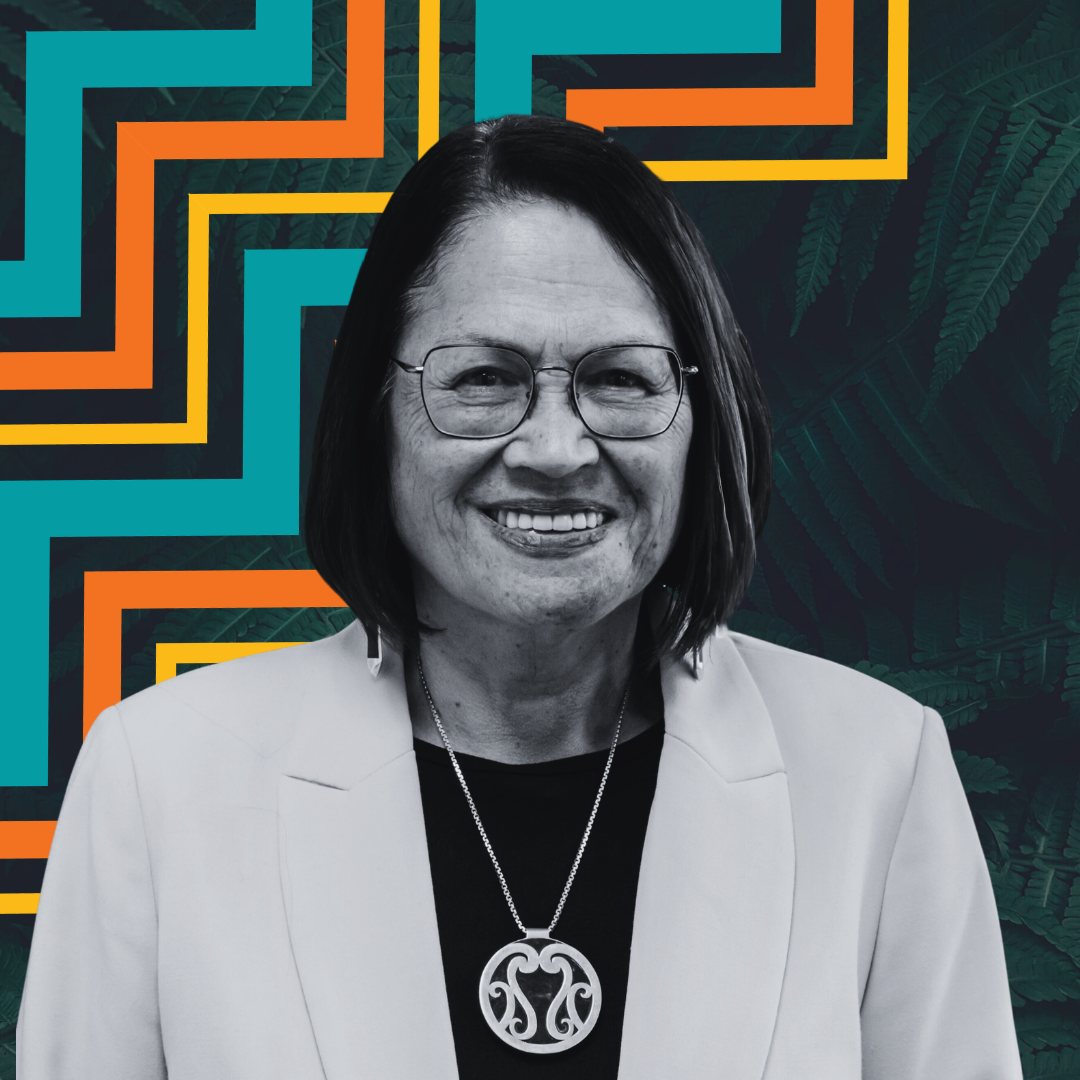
About this kaikōrero
Lady Tureiti Moxon (Ngāti Pāhauwera, Ngāti Kahungunu, Kāi Tahu) is a proven leader and advocate for Māori health, education and social justice both regionally and nationally. Since 2012, she has chaired the National Urban Māori Authority (NUMA), representing affiliated urban Māori organisations across Aotearoa. She also serves on several community trusts including her own iwi of Ngāti Pāhauwera as a trustee and previously on their treaty negotiating team who successfully settled their claim in 2012.
Alongside her governance roles, Lady Moxon is also the managing director of Te Kohao Health, a marae-based health and community centre, where she has championed kaupapa Māori approaches to hauora and whānau ora since 2002. Awarded an honorary doctorate from the University of Waikato in 2024 for her services to Māori, Lady Moxon has long advocated for equity and resourcing to meet the needs of whānau Māori living in cities.